
 PDF Download
 PubReader
 Export Citation
 Email the Author
 Share Facebook
 Share Twitter
 Cited by 0 Article
 Metrics (View:2,729)









I. INTRODUCTION
Climate change and land degradation disproportionately affect vulnerable populations, including children, the elderly, and people living in low- and middle-income countries (de Sherbinin et al., 2019; Eckstein et al., 2019; Thomas et al., 2019). According to the Global Climate Risk Index, Kenya was ranked 7th in the world in terms of climate change vulnerability, based on the average annual number of deaths and economic losses associated with extreme weather events between 1999 and 2018 (Eckstein et al., 2019).
In response, Kenya has committed to restoring 5.1 million hectares of degraded land, representing approximately 9% of its total area, as part of a broader national climate change strategy (Government of Kenya, 2018c). This commitment aligns with Kenya Vision 2030, where the country’s Third Medium Term Plan (2018–2022) identifies cultural practices, insufficient funding, and rapid urbanization as factors worsening land degradation, leading to uncontrolled subdivisions and informal settlements (Government of Kenya, 2018b). To address these issues, Kenya has initiated various projects, which aim to reconcile environmental restoration with the economic development needs of rural communities, promoting sustainable land use while fostering economic growth and resilience.
Aligned with it, World Vision focuses on key areas of environmental and climate action (World Vision, 2022) including Farmer-Managed Natural Regeneration (FMNR), which is a more low-cost and sustainable agroforestry practice for tree establishment than other methods in the context where the tree planting is limited, because of climate condition, natural environment, poor access to tree seedlings, or cultural hindrance (Department of Economic and Social Affairs, 2024; Garrity et al., 2010; Kuyah et al., 2023; Rinaudo et al., 2019). Several studies have demonstrated that FMNR enhances soil fertility, reduces erosion, and improves water infiltration, thereby contributing to land restoration (Department of Economic and Social Affairs, 2024; Garrity et al., 2010) and climate change mitigation (Kuyah et al., 2023). Additionally, FMNR can enhance the economic well-being of families, which in turn can benefit children by improving their access to food, healthcare, and education (Garrity et al., 2010; Weston et al., 2015). The trees grown through FMNR can be sold or used as raw material for various products, such as furniture or fuelwood, generating income that can be used to meet these basic needs.
However, gender norms play a significant role in women’s access to and ownership of land (Elias, 2016). In Kenya, women hold only 1%–5% of land titles, reflecting stark gender inequality and severely limiting their participation in decision-making processes (Kameri-Mbote & Kabira, 2023). In many communities, the lack of women’s land rights hampers their ability to benefit equally from FMNR initiatives (Crawford et al., 2016; Kiptot & Franzel, 2012). Traditionally, women bear the responsibility of growing trees and collecting firewood, yet their autonomy in tree planting decisions is often limited unless approved by men (Deininger et al., 2011; Iiyama et al., 2017).
Despite these barriers, studies have shown that women are more inclined to adopt FMNR techniques compared to men (Agúndez et al., 2022; Buyinza et al., 2016) and that their participation can increase household welfare, food security, and community development (Jamal, 2023; Nguyen et al., 2021). Therefore, in patriarchal cultures, it is crucial to empower and sensitize women to participate in family decisions regarding FMNR practices (Odwori et al., 2016).
Nonetheless, empirical evidence regarding the extent to which FMNR facilitates women’s engagement remains inadequate (Crawford et al., 2016). In particular, little is known about how the content of FMNR training supports women’s participation in decision-making as agency. Furthermore, several studies have established that disparities exist in the associated variables and the pace of women’s involvement both at home and within the community (Coady et al., 2001; Keleher & Franklin, 2008; Kim et al., 2022; Schensul et al., 2015). In light of this, it is essential to examine the gender-transformative potential of FMNR training and its influence on women’s participation in domestic settings as well as in communal spheres.
The objective of this study is to compare the effect of engagement in FMNR training on the level of women’s participation in rural Kenya before and after the project. It also explores the content of FMNR training manuals from a gender-transformative perspective to understand how to enhance women’s participation in decision-making.
II. LITERATURE REVIEW
Many scholars addressing women’s empowerment in development have consistently emphasized shifts in power relations as a central element, advocating for holistic changes that encompass individuals and institutions, formal and informal, beliefs and resource areas (Cornwall, 2016). Kabeer defined women empowerment as the process of acquiring the ability to make independent decisions in environments that systematically deny women’s agency over choices affecting their lives (Kabeer, 1999). Similarly, Moser conceptualized women empowerment as increasing representation in decision-making processes, gaining control over resources, and securing access to opportunities, with particular emphasis on transforming institutions and structures that perpetuate gender power imbalances (Moser, 2012). Rai also empathized promoting women’s participation in decisionmaking as a core element of empowerment, along with ensuring the recognition and redistribution of unpaid care work and fostering social and economic justice (Rai, 2013).
Building on these discussions, this study defines and examines women’s empowerment by focusing on promoting women’s participation in decision-making at the household and community level. Drawing from Moser’s framework, this study identifies four interrelated domains of decision making: representation, resources, opportunities, and structures. As women’s empowerment is widely understood as a transformative process that spans individual, social, and institutional change, integrated approaches are essential to enhance women’s agency in decision-making.
Gender equality training is often the primary tool used within such integrated approaches. Leghari & Wretblad (2016) defined gender equality training as a ‘tool, strategy, and means to effect individual and collective transformation towards gender equality through consciousness raising, empowering learning, knowledge building, and skill development’( (Leghari & Wretblad, 2016). Gender training programs significantly influence changes in gender norms and foster transformative outcomes across various cultural contexts.
One widely used framework to assess such interventions is the Knowledge, Attitude, and Practice (KAP) model, valued for its simplicity and applicability in health behavior research since the 1950s (Soria & Borja, 2024). Ideally, KAP studies precede awareness and training programs, identifying informational needs, barriers, and intervention effectiveness that typically assessed through post-intervention shifts in knowledge, attitudes, and behaviors (Andrade et al., 2020). For example, a study employing the KAP model to evaluate a comprehensive education programs, which is designed to holistically address the psychological challenges faced by adolescent girls, found significant improvements in girls’self-efficacy and problem-solving skills, along with enhanced knowledge, attitudes, and practices related to menstruation (Kim et al., 2022, 2024). Similar positive changes were also observed among boys, parents, and teachers.
While comprehensive interventions targeting gender norms have shown promise in shifting perceptions and increasing women’s status, their effectiveness varies based on local contexts (Keleher & Franklin, 2008). Moreover, persistent challenges remain in achieving widespread and sustained changes in gender norms, particularly among women, who may lag in adopting new attitudes (Kim et al., 2022; Schensul et al., 2015). When women take on new and more equitable norms and behaviors in what they perceive to be an unchanged cultural context, there can be negative outcomes such as domestic violence and poor health (Moonzwe Davis et al., 2014; Rocca et al., 2009). It may be that the lag in change reflects women’s recognition of the need to wait, to ensure a positive and supportive environment, before manifesting behavioral and attitudinal shifts. Accordingly, the pathways of change in women’s participation differ significantly, with household dynamics often evolving slower than community engagement, reflecting varying degrees of gender consciousness and societal attitudes (Keleher & Franklin, 2008; Schensul et al., 2015).
Therefore, this study examines how FMNR training has contributed to increasing women’s decision-making participation at home and in communities, utilizing KAP model as an analytical framework. It further assesses the adequacy of the FMNR training manual in advancing gender equality and women empowerment from a gender-transformative perspective.
FMNR is a form of agroforestry that can contribute to the rehabilitation and management of degraded land, as well as the promotion of sustainable land-use practices (Department of Economic and Social Affairs, 2024; Garrity et al., 2010; Kuyah et al., 2023). In particular, FMNR has the following differences compared to other methods from the gender perspective (Department of Economic and Social Affairs, 2024; Rinaudo et al., 2019). First, inclusion and equality of women are key components of FMNR. Women constitute essential stakeholders in FMNR and must be assured that they will reap the benefits of their contributions to FMNR initiatives. Consequently, FMNR endeavors not only to alleviate the burdens faced by women and girls by enhancing their access to resources such as firewood but also aims to elevate their status as decision-makers who possess equitable control over assets, income, and land rights alongside men. If this does not happen automatically, targeted programs must be established to encourage collaboration between genders. Second, FMNR necessitates community consensus and ownership for effective decision-making. Success in FMNR practices is reliant on communal agreement regarding land management and tree regeneration. Collective decisions on tree treatment and benefits are essential for all community members utilizing the land. The engagement of all stakeholders in the FMNR process enhances its effectiveness. Third, FMNR is very simple to implement. As the process of FMNR is very simple, nearly any man or woman can manage trees. Even older girls and boys can learn the basics of pruning, as long as they are supervised when using sharp tools. Although tree management requires labor, the convenience of accessible firewood and fodder compensates for this effort, potentially freeing women’s time for other pursuits.
According to the field manual, FMNR incorporates gender training in its curriculum to challenge gender norms and promote equitable behaviors (Rinaudo et al., 2019). Traditionally, the use, control, and benefit sharing of forest and natural resources are best understood through a gender perspective, as gender inequities are evident in areas such as tree tenure, division of labor, spatial patterns of forest use, and ecological knowledge (Elias et al., 2017; Galudra et al., 2024; Kiptot & Franzel, 2012; Sunderland et al., 2014). In terms of natural resource use, FMNR promotes more equitable land resource use across genders. To this end, FMNR encourages women’s active involvement in community decision-making and also it aims to increase access to resources as well as their status as decision-makers with equitable control over assets, income, and land rights along with men by encouraging cooperation between genders (Too et al., 2025). Previous studies also found that women gain independent or joint control over financial decisions, such as managing loans and income derived from FMNR-related activities (FAO & CARE, 2019). This increased income enhances women’s contributions to household finances, subsequently elevating their decision-making authority (Jean & Medard, 2016; World Vision Australia, 2019). This result is consistent with previous studies that showed the close relationship between income and women participation (Agnihotri, 2021; Le & Nguyen, 2020; Urooj et al., 2023).
In addition, FMNR initiatives actively promote women’s involvement in community-level decision-making processes (Too et al., 2025). Women are included in participatory planning sessions and natural resource management committees for FMNR implementation, and also trained as FMNR champions, taking on leadership roles in promoting sustainable practices within their communities (Anda, 2016; Crawford et al., 2016; World Vision Australia, 2019). Notably, women involved in FMNR have been reported to challenge traditional norms, signaling a broader shift in decision-making power (Crawford et al., 2016; FAO & CARE, 2019).
Nonetheless, more objective evidence is still needed to ascertain the effectiveness of interventions that involve FMNR participation in altering gender norms, such as changes in women’s status at home and in the community (Crawford et al., 2016; Too et al., 2025). There is also no previous research on how much the training materials of FMNR is appropriate for the gender transformative perspectives.
The livelihoods, incomes, and food security of communities that rely on rain-fed agriculture, community forests, and pastoralism are under threat due to climate change and land degradation. Therefore, promoting climate resilience and land restoration is critical to support vulnerable communities that depend on natural resources. World Vision Kenya implemented a two-year project (2021-2022) to assist target communities in Garsen North and Kipini East wards in adapting to climate change and developing community resilience through livelihood and land restoration.
This study aims to identify the pathways through which FMNR training directly and indirectly influence women’s participation at the household and community levels, and to examine how these pathways may have changed before and after the intervention. Additionally, it examines FMNR training manuals from a gender-transformative perspective to understand how FMNR training and practices can enhance women’s participation in decision-making. By doing so, this study provides practical insights into necessary improvements, not only in the implementation of FMNR projects but also in the content of their training manuals from a gender-transformative perspective.
III. RESEARCH DESIGN AND METHOD
The designated project site was chosen with careful consideration of climate susceptibility, feasibility of implementation, and availability of public land. Specifically, we identified regions exhibiting significant climate vulnerability, where World Vision is actively engaged in community development initiatives, and locations with public land suitable for FMNR activities, guided by the stewardship of local inhabitants.
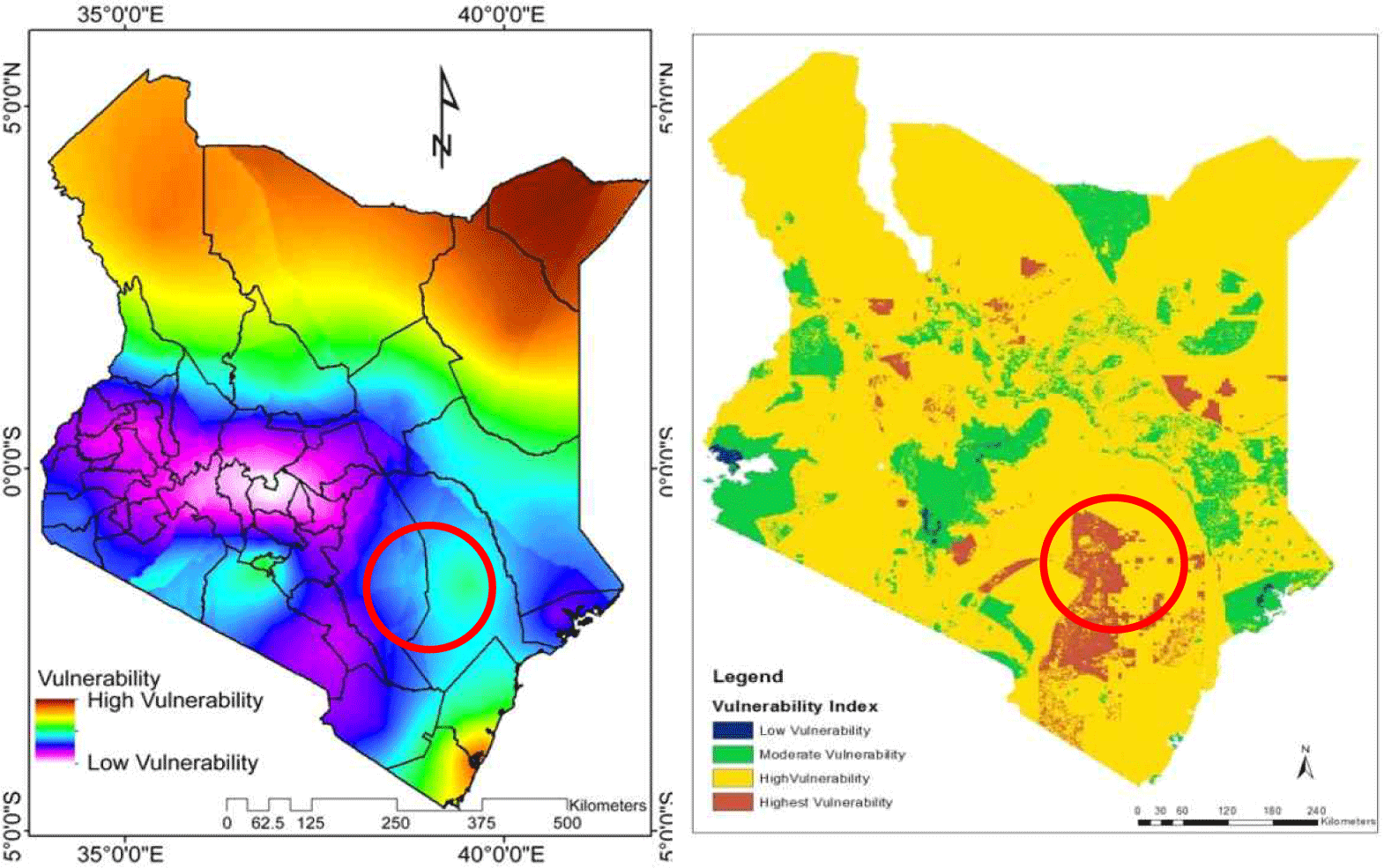
Degraded ecosystems put vulnerable rural populations at extreme risk to the impacts of climate change and Tana River has not been exempted. In particular, Tana River County has a high vulnerability to climate change in southern Kenya, as shown in <Figure 1> (Marigi, 2017; Mwangi & Mutua, 2015).
Tana River County is located in the coastal region of Kenya. The county is divided into 3 sub-countries, 15 wards, 58 locations, and 113 sub-locations (County Government of Tana River, 2024). The project was implemented in 2 wards, namely Garsen North and Kipini East, within the Tana Delta Sub-County. As of the Kenya Population and Housing Census of 2019, Garsen North had a population of 16,557, while Kipini East had 20,528 residents (<Figure 2>; Government of Kenya, 2019).
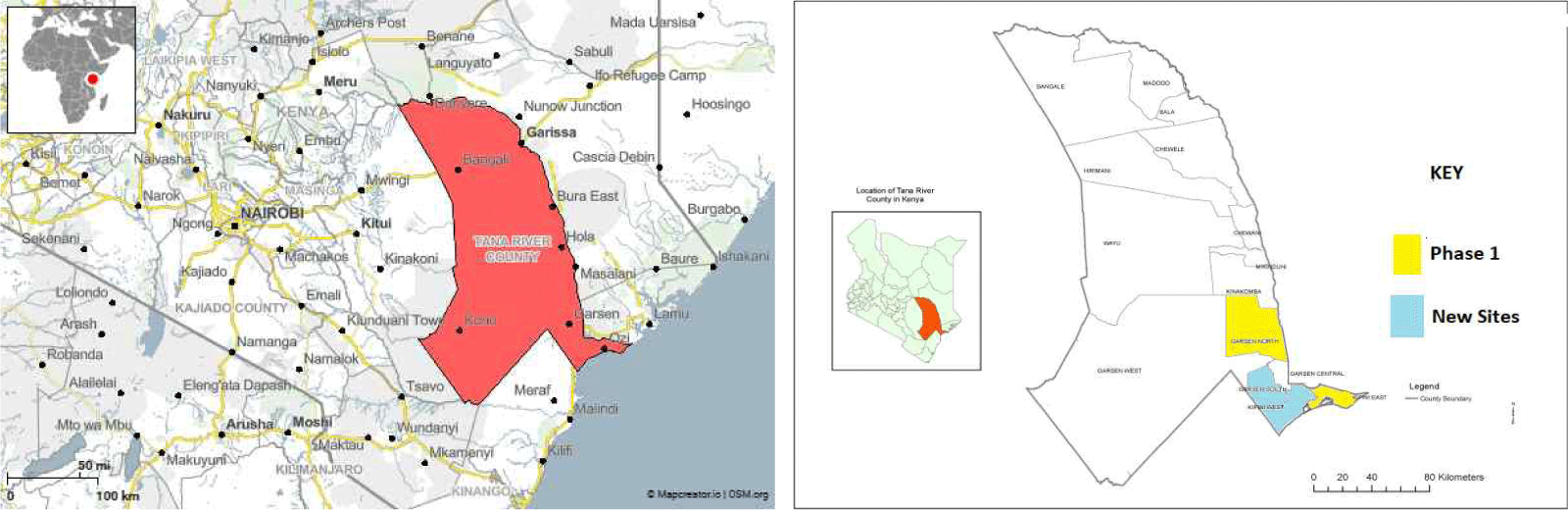
Tana River County in Kenya is a semi-arid region with savannah grassland covering most of its land. The area faces ecological threats from an invasive tree species, Prosopis Juliflora, which disrupts native vegetation and pastoral livelihoods (County Government of Tana River, 2024). With 76.9% of the residents living below the poverty line (Government of Kenya, 2018a), the region struggles with unreliable rainfall, poor agricultural practices, low literacy, inadequate infrastructure, livestock diseases, human-wildlife conflicts, and environmental degradation (Government of Kenya, 2017). Additionally, gender inequality is prevalent, manifested through limited involvement of women in leadership and decision-making roles, lower school enrollment rates for girls compared to boys, early marriage for girls, and deprivation of women’s property rights (Government of Kenya, 2017). In Kenya, women hold only 1%-5% of land titles despite comprising half of the population, underscoring significant gender inequality. Although legal frameworks are in place, persistent challenges in implementation continue to marginalize women’s rights and limit their participation in decisionmaking (Kameri-Mbote & Kabira, 2023).
The project aimed to contribute to climate change adaptation and livelihood restoration for sustained community resilience and economic empowerment in Tana River County. This was to be achieved through sustainable restoration and management of rangelands, farmland, and communal land resources to strengthen ecosystem services and improve economic status. The project consisted of 3 main components, FMNR, clean energy solutions, and community advocacy. A summary of each output is as follows:
First, the project aimed to restore the health and productivity of at least 250 acres of degraded rangelands and communal lands in Tana River County. The project involved stakeholder assessments, drone-based mapping, and community engagement to identify and address degradation hotspots. Interventions included Farmer Managed Natural Regeneration (FMNR) and reseeding efforts, with the project mobilizing the community through cash-for-work initiatives. 60 lead farmers were selected and trained in natural resource management. They passed on their knowledge and skills to 250 farmers (43 Female headed households, 207 Male headed households) in the villages. These farmers were then divided into 9 groups to clear out invasive species and restore the land using FMNR techniques, seedballs, and agroforestry. Additionally, 5 schools were targeted for nursery establishment and tree planting. Each child was encouraged to adopt and nurture a tree through environmental clubs, which have 75 members (35 girls and 40 boys).
Second, the project also focused on promoting sustainable renewable biomass and clean energy options among 250 households. This involved the uptake of technologies such as solar lighting and improved energy-saving stoves, alongside entrepreneurship training for 50 women and youth among vulnerable households to engage in clean energy businesses. The project also facilitated partnerships with private sector partners to enhance adoption of clean energy solutions.
Third, it aimed to establish and strengthen enabling policy environments and governance structures to ensure program impact and sustainability. This included supporting the formation/strengthening of 2 natural resource management committees with 33 members (12 female and 21 male), empowering communities through training on community voice and action and utilizing technology such as Ushahidi for crowd sourcing data on environmental issues. Quarterly review meetings and village-level sensitization efforts were also conducted to engage stakeholders and ensure progress.
This study employed a mixed-methods design, integrating both quantitative and qualitative approaches. For the quantitative component, a multi-group path analysis was conducted.
Using repeated cross-sectional data collected from rural projects in Kenya, this study investigates how the impact pathway, from participation in training programs, to women’s involvement in household and community among beneficiary households through practice of FMNR activities, changed before and after the intervention. The baseline survey was conducted in March 2021, and the endline survey was conducted in September 2022.
The baseline and endline surveys employed probabilistic sampling, where each sampling unit within the sample frame had a specific probability of selection, and this probability could be estimated. The sampling frame comprised 250 beneficiaries (households) participating in the projects. For sampling, the evaluation team utilized the one-stage simple random Sample. In the first stage of sampling, the evaluation team employed probability proportional to size to ensure that clusters with more beneficiaries had a higher probability of selection compared to sectors with fewer beneficiaries. A total of 319 households was randomly selected, 153 for the baseline and 166 for the endline respectively, from 250 project participants in Garsen North and Kipini East wards.
The survey for this study included measures of women participation at both the household and community level, FMNR training and practice, and demographic information. Based on the KAP model, the quantitative analysis framework was structured as <Figure 3>:

In this study, the independent variables of interest were participation in FMNR training, serving as a proxy for the “Knowledge”component of the KAP model. Participation in FMNR training was determined by summing up the different types of FMNR training sessions attended by any family members including the respondent.
The dependent variables of interest were women participation in their household and community. Women’s participation at home comprised a total of 13 questions related to external activities, domestic decision-making, and FMNR decision-making as household representatives, yielding a Cronbach’s Alpha value of 0.868. The specific items reflecting three domains included: opportunity (participation in agricultural training; farming group); representation (attendance at village meetings or activities; cares for children); resources (decisions on the use of family income; decisions on what, when, and where to plant staple food crops; decisions on what, when, and where to plant cash crops; decisions on agricultural investments); and other related matters.
On the other hand, women’s community participation encompassed 8 questions pertaining to community meeting participation and decision-making, with a reliability coefficient Cronbach’s Alpha value of 0.848. The scale also captured: opportunities (participation in village meetings); representation (speaking during village meetings; influencing decisions on village affairs; making decisions on village affairs; representing the village in interactions with the government); resources (controlling village funds); and other related matters. In the survey, participants’ responses of “only men”, “mostly men”, “men and women equally”, “mostly women”, or “only women” to the question were scored on a five-point Likert scale.
Following Moser’s framework, decision-making was analyzed in the domains of representation, resources, opportunities, and structures. However, the survey measures addressed only the first three domains, excluding structures.
The mediating variable was FMNR practices, representing the “Practice” element of the KAP model. FMNR practices were calculated by summing up the various FMNR activity types carried out by the respondent’s household on their own land following the training.
The time dummy variable was used to capture the change between pre- and post-intervention periods. Specifically, the baseline time point is coded as 0, representing the situation before the intervention, while the endline is coded as 1, representing the post-intervention period.
First, independent samples t-test and chi-square test were conducted to assess changes in key variables between the baseline and endline surveys. To further investigate the direct and indirect pathways through which FMNR training influenced women’s participation at the household and community levels and to assess whether these pathways differed before and after the intervention multi-group path analysis with bootstrapping was conducted using the lavaan package and the piecewiseSEM package in R (version 4.4.3). Prior to conducting the multi-group path analysis, key assumptions of structural equation modeling (SEMs) were assessed. Skewness and kurtosis values for all continuous variables were within acceptable ranges, with skewness below 2 and kurtosis below 7. Multicollinearity was also not a concern, as all variance inflation factor values were below 5. To enhance the robustness of parameter estimates, bootstrapping was applied, as it does not assume multivariate normality.
This multi-group path analysis enables the comparison of structural relationships across groups by estimating path coefficients separately and testing for parameter invariance. Unlike traditional regression, which cannot account for indirect effects or changing relationships across groups (Chaitanya et al., 2024), path analysis offers a framework for testing theoretically driven causal models (Dugard et al., 2022; Mishra & Min, 2010), capturing both direct and indirect effects to provide a more nuanced understanding of complex systems (Awogbemi et al., 2022; Streiner, 2005). There are two primary approaches to estimating SEMs including path analysis. The first is the global estimation approach, which models the relationships among all variables simultaneously using the variance-covariance matrix. This method relies on several assumptions, including the requirement that the data follow a multivariate normal distribution–an assumption that is often violated in social science research. In response to these limitations, Shipley 2000) proposed an alternative method known as the local estimation approach, or piecewise SEM, grounded in graph theory. This approach estimates each dependent (response) variable separately, effectively decomposing the model into smaller, manageable components (Shipley, 2000). As a result, it offers greater flexibility than global estimation by allowing for the individual evaluation and specification of each relationship in the model.
In this study, baseline and endline groups were compared to determine whether the structure and strength of relationships among variables changed over time according to the following formula. To this end, the study first applied local estimation to the saturated model based on the aforementioned formula, and identified a simplified model derived from the results (Shipley, 2000). Subsequently, global estimation was performed to conduct a multi-group analysis, examining differences in model fit and path coefficients between the fully constrained and unconstrained models. Chi-square difference tests were used to evaluate whether constraining paths across groups significantly worsened model fit, indicating a change in pathways. Model comparisons were further supported by the Akaike Information Criterion (AIC), with lower values indicating better fit. An omnibus test was conducted to detect overall group differences, followed by pairwise comparisons of path coefficients where necessary. Finally, the outcomes from the global estimation were compared and validated against the local estimation results, and the findings were reported accordingly.
The multi-group path analysis was conducted using the following formula.
Y : women participation within households (Y1) / communities (Y2)
X : sum of FMNR training participated
M : sum of FMNR types practiced
C : covariates
Moderating (multi-group) variable : prepost
Accordingly, the indirect and total effects were calculated as follows.
This study also employed document analysis, a qualitative research method, to examine the extent to which gender-transformative principles are embedded in two FMNR training manuals, which was used in the project. By analyzing the main training manual of the project, it can give a more concrete and detailed idea of how FMNR training promote gender equity, giving more qualitatie story of linkage in the pathway. Document analysis involves the systematic evaluation of documents to elicit meaning, gain understanding, and develop empirical knowledge (Bowen, 2009). It is particularly suited to policy and curriculum analysis because it allows researchers to identify patterns, themes, and biases in written texts and visual representations.
The two manuals analyzed were (1) the FMNR Lead Farmer Guide and (2) the Kenya FMNR Manual. Both were selected due to their practical role in farmer training and guiding them in the whole procedure of the FMNR activities. The analytical framework was based on a 97-item gender-transformative checklist derived from two Gender Mainstreaming Toolkit of Commonwealth of Learning (Frei & Leowinata, 2014) and UNESCO Bangkok (2019), which provides a structured tool for assessing gender equity and inclusion in educational materials.
The document analysis followed a five-step process: (1) validation and contextual adaptation of the checklist, (2) item weighting and selection, (3) development and validation of rating criteria, (4) systematic scoring of each manual, and (5) synthesis of results through cross-manual comparison.
In the first step, a 97-item gender-transformative checklist, which was originally derived from two gender toolkits, was reviewed for clarity and relevance within the context of agricultural extension training and landscape restoration. Items were selected based on their relative importance in reflecting gender-transformative principles. A detailed five-point scoring rubric was developed for each item through discussions within the research team, enabling granular and objective evaluation. Each FMNR manual was read in full, with the checklist applied item by item. Both textual and visual elements were assessed, and each item was scored on the five-point scale. Page numbers and direct excerpts from the manuals were documented to justify each score, ensuring transparency and traceability (Bowen, 2009) as well as triangulating by human researchers (Gao et al., 2023; Prescott et al., 2024). Upon completion of individual scoring, results were compiled and compared across all eight FMNR manuals. This comparison helped identify strengths, gaps, and recurring patterns in the integration of gender-transformative elements. Differences in item scores between manuals were analyzed to generate practical recommendations for revising and improving gender-equitable training materials.
A novel component of this research was the integration of human expertise and Artificial Intelligence (AI)-assisted analysis. Four human researchers defined the analysis scope, provided domain-specific materials (e.g., the GENIA-based checklist), and verified judgments in each step, while the AI systems (ChatGPT, Copilot, google NotebookLM) performed the following tasks; Verifying duplication among items of checklist and refining them for contextual adaptation; Weighting items on the gender transformative perspective; Structuring and refining the scoring rubric based on the GENIA Toolkit; Extracting relevant textual evidence from the manuals to match each checklist item; Organizing evaluation outputs into standardized Excel-based formats for review and validation; Generating comparative summaries and evidence-based recommendations for manual improvement.
This collaborative method reflects a growing trend in qualitative research, where AI tools assist with data organization and pattern recognition, while humans retain responsibility for critical interpretation and contextual judgment (Gao et al., 2023; Prescott et al., 2024). To enhance trustworthiness, triangulation was implemented by cross-verifying AI outputs with manual readings, and all evaluative decisions were anchored in concrete textual evidence. No assumptions were made about content not explicitly present in the manuals (Prescott et al., 2024).
IV. RESULTS
The baseline survey included 153 households, while the endline survey covered 166 households from Garsen North and Kipini East, respectively. The general characteristics of respondents are detailed in <Table 1>. Although all participants were selected from 250 project beneficiaries, the gender distribution of household heads differed between the baseline and endline surveys.
Firstly, regarding the impact of the project on women’s participation, <Table 2> demonstrates a significant increase in the level of women’s participation both within the household and the community post-project implementation.
Gender disparities were observed in domestic work distribution, with boys being more likely to engage in feeding livestock, while girls and women were more inclined to collect firewood (<Appendix 1>). It remained largely consistent before and after the project. Nevertheless, both boys’ and girls’ working hours decreased significantly following the project implementation (<Appendix 2>).
To ascertain whether these effects could be attributed to the FMNR activities conducted in this project, the thoroughness of FMNR training was assessed. Consequently, <Table 3> below indicates that the cumulative participation in various types of training increased compared to before the project. Consequently, the proportion of households who had heard about and practiced FMNR notably increased. Moreover, there was a significant increase in the sum of FMNR activity types practiced in their own land after the project compared to before its initiation.
Multigroup path analysis was conducted to confirm whether such changes occurred before and after the project through FMNR training and practice performed in this project, as well as to identify statistically significant pathways of influence.
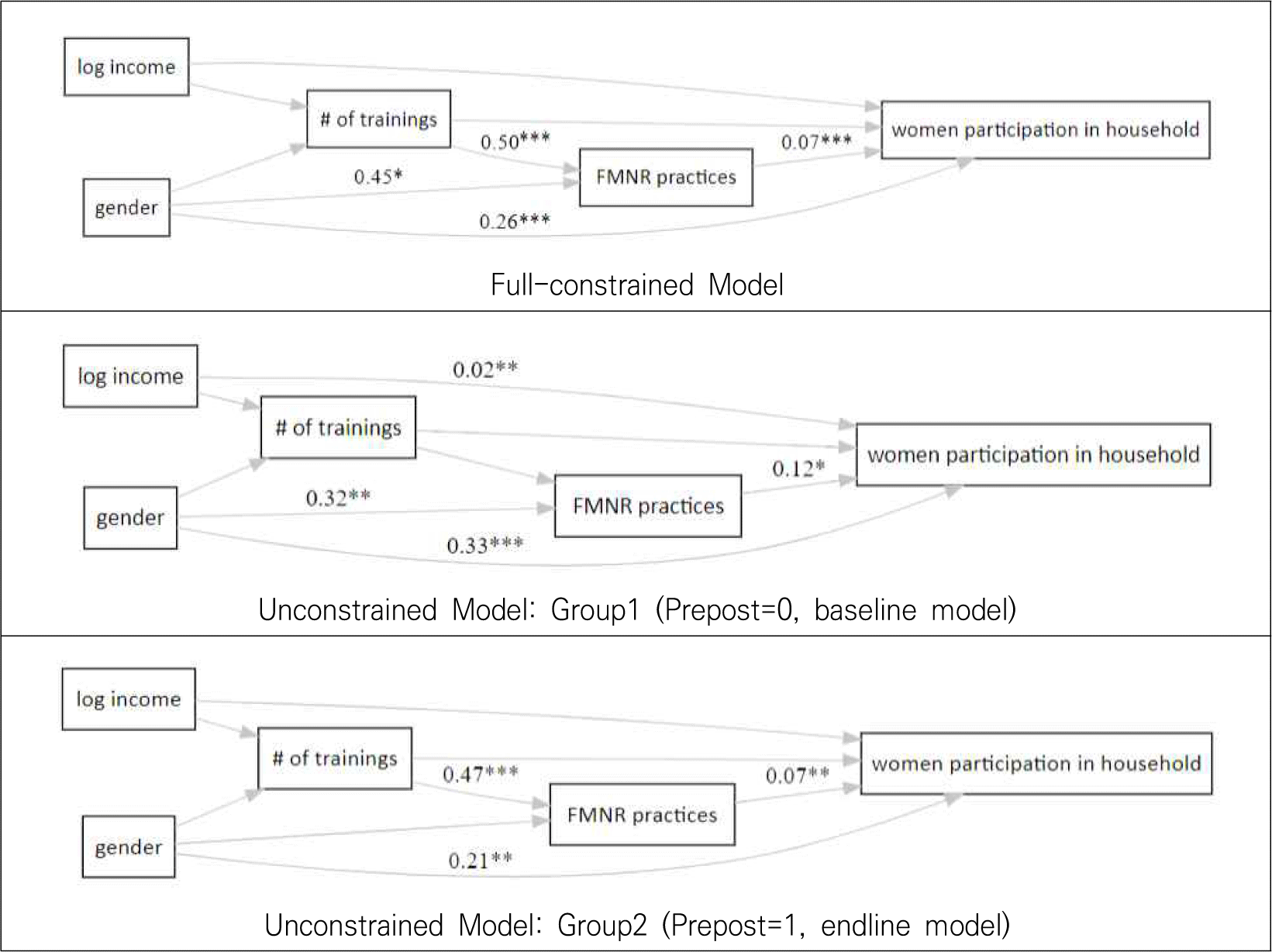
The analysis of women’s participation at the household level is presented in <Figure 4> (<Appendix 3>). The final global model, simplified based on local estimation, demonstrated good fit with RMSEA=0.068 (90% CI: 0.00-0.18), CFI=0.994, TLI=0.948, and χ2=2.459 (df=1, p>.05). As shown in <Table 4>, the unconstrained model exhibited significantly better fit than the fully constrained model (Δχ2=248.57, p<.001), indicating meaningful differences between the baseline and endline groups.
| Df | Chisq | Chisq diff | AIC | BIC | RMSEA | |
|---|---|---|---|---|---|---|
| Unconstrained Model | 2 | 3.1197 | 2,321.1 | 2,426.4 | ||
| Full-constrained Model | 13 | 251.69*** | 248.57*** | 2,547.7 | 2,611.6 | 0.369 |
At baseline (Group 1), women’s participation in the household was significantly higher in female-headed households (β=0.327, p<.001) and positively influenced by FMNR practice (β=0.12, p<.05) and log income (β=0.019, p<.01). FMNR practice itself was also higher in female-headed households (β=0.316, p<.01). However, the direct, indirect, and total effects of FMNR training on women’s participation were not statistically significant. This indicates that prior to the intervention, knowledge acquisition through FMNR training did not directly influence women’s participation in decision-making, nor indirectly through the adoption of FMNR practices.
In contrast, at endline (Group 2), the indirect effect of FMNR training on women’s participation became statistically significant (β’=0.034, p<.01). FMNR training was positively associated with FMNR practice (β’=0.472, p<.001), which in turn significantly influenced women’s participation (β’=0.071, p<.001). Although participation remained higher in female-headed households (β’=0.213, p<.01), log income no longer had a significant effect (β’=-0.007, p>.05).
The omnibus test revealed significant overall group differences (χ2=323.34, df=12, p<.001), indicating that the structural relationships between variables changed significantly from baseline to endline. Pairwise comparisons of path coefficients indicated that several paths and intercepts significantly differed across timepoints, including the indirect effect of FMNR training on women’s participation, the path from log income to participation, the effect of FMNR training on practice, and intercepts for women’s participation, FMNR practice, and FMNR training.
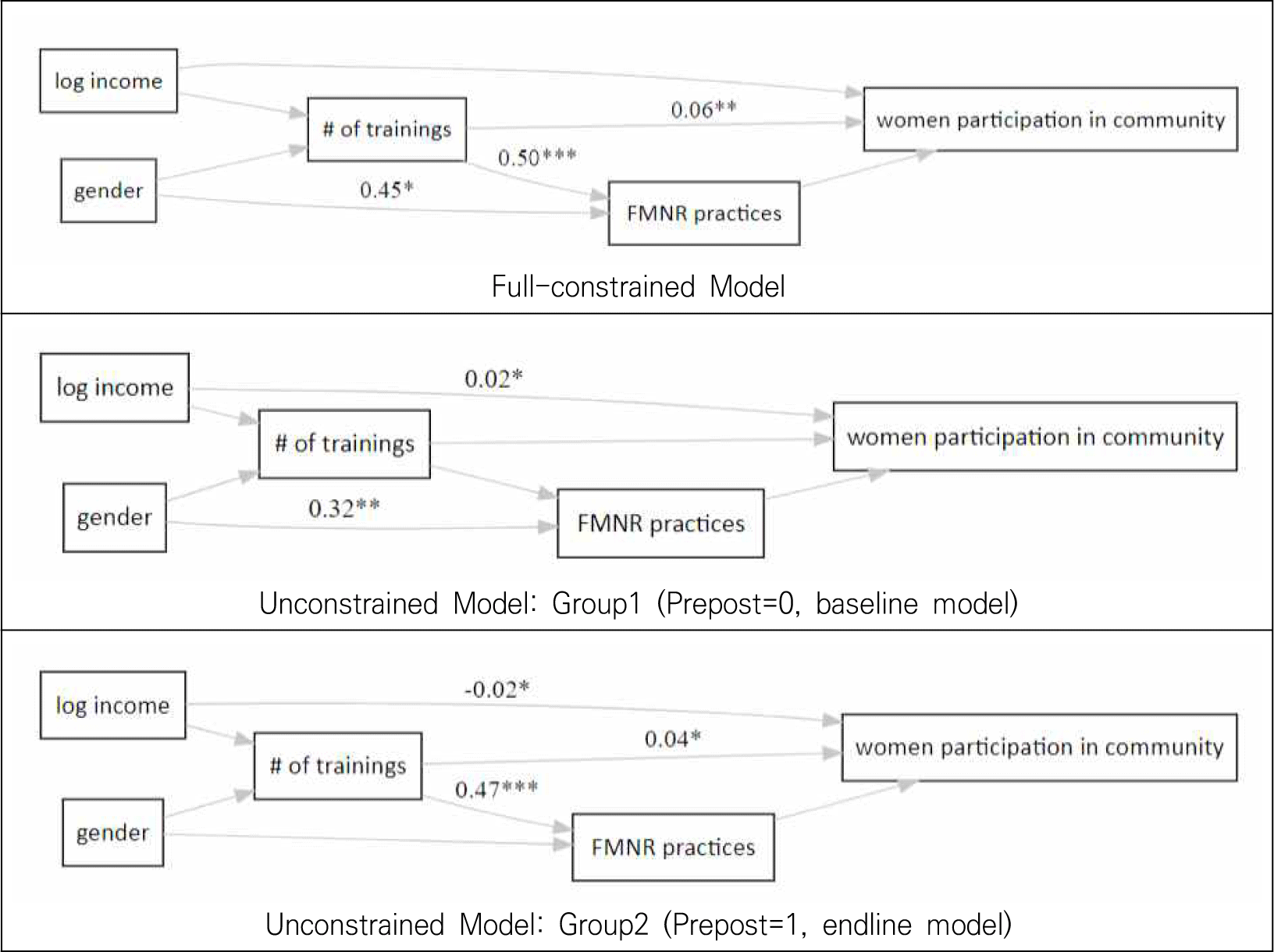
The analysis of women’s participation at the community level is presented in <Figure 5> (<Appendix 4>). The final global model, simplified through local estimation, demonstrated good fit: RMSEA=0.027 (90% CI: 0.00-0.12), CFI=0.998, TLI=0.991, and χ2=2.460 (df=2, p>.05). As in the household-level analysis, the unconstrained model provided a significantly better fit than the fully constrained model (Δχ2=263.71, p<.001), indicating that the structural relationships among variables differed meaningfully between the baseline and endline groups (<Table 5>).
| df | Chisq | Chisq diff | AIC | BIC | RMSEA | |
|---|---|---|---|---|---|---|
| Unconstrained model | 4 | 4.6251 | 2,434.6 | 2,532.4 | ||
| Full-constrained model | 14 | 268.3405 | 263.71*** | 2,678.3 | 2,738.5 | 0.39946 |
At baseline (Group 1), women’s participation in the community was positively associated with log income (β=0.020, p<.05), and FMNR practice was higher among female-headed households (β=0.316, p<.01). However, the direct, indirect, and total effects of FMNR training on women’s participation were not statistically significant.
In contrast, at endline (Group 2), the direct effect of FMNR training on women’s participation became statistically significant (β’=0.041, p<.05), and FMNR training remained positively associated with FMNR practice (β’=0.472, p<.001). Interestingly, log income showed a negative association with women’s participation (β’=-0.015, p<.05) at this timepoint.
The omnibus test for overall group differences was significant (χ2=376.17, df=11, p<.001). Pairwise comparisons of path coefficients revealed significant differences across timepoints for several pathways and intercepts, including the effect of log income on women’s participation, the effect of FMNR training on FMNR practice, and the intercepts for women’s participation, FMNR practice, and FMNR training.
This study assessed the gender responsiveness of the Kenya FMNR Manual and the Lead Farmer Guide using an analytical framework of eight items. <Table 6> presents the total scoring results based on an analytical framework comprising eight items. To ensure internal consistency among evaluators, the Intra-class Correlation Coefficient (ICC) was calculated by each manual. The resulting ICC value exceeded 0.50, indicating an acceptable level of inter-rater reliability.
Specifically, the Kenya FMNR Manual showed an ICC of 0.534 while the Lead Farmer Manual demonstrated a higher reliability with an ICC of 0.675.
First, in terms of gender representation across text and images, the Kenya FMNR Manual scored 3.33, demonstrating balanced language by referring consistently to both men and women, stating that “FMNR change agents are women and men”, and incorporates sex-disaggregated indicators in its monitoring framework. It also includes images depicting women’s participation, such as women’s learning sessions, although men are often portrayed in more active roles. This indicates a partial imbalance in visual representation. The Lead Farmer Guide received a slightly higher score of 3.67. It utilizes inclusive language, stating that “anyone can practice FMNR including men, women, children and people with disability.” Visual analysis shows that 93% of images include women, and 55% depict only women. However, the text frequently defaults to gender-neutral terms like “farmers” or “communities,” and some narrative examples lean subtly male. Overall, both manuals show intent toward gender inclusivity but do not fully achieve consistent representation across all elements.
Second, both manuals portray women in non-traditional roles, receiving a score of 4.0. The Kenya FMNR Manual highlights women as “change agents” and features Irene Ojuok, an FMNR expert, as a national leader. It also depicts women engaging in value chain activities, such as harvesting frankincense and myrrh, and participating in governance and training programs. While these efforts signal a departure from traditional gender roles, their representation is not uniformly distributed throughout the text. The Lead Farmer Guide provides more targeted examples of women as leaders, producers, and entrepreneurs. It highlights women’s involvement in tree nurseries and the “production and marketing of energy-saving cookstoves”, noting their roles as “extension agents” and “champion farmers.” Although these examples are primarily located in the “Project Enabling Models” section, they offer more explicit recognition of women’s contributions beyond domestic roles.
Third, with respect to women’s participation in decision-making, the Kenya FMNR Manual received a score of 4.0. It emphasizes inclusive governance and land-use planning involving “women, men, youth, and disadvantaged groups,” and supports gender-balanced representation in local FMNR institutions. While women are identified as “FMNR champions” and engaged in leadership training, specific examples of individual women making high-level strategic decisions are limited. The Lead Farmer Guide scored slightly lower at 3.33. It refers to women’s roles as group leaders and “extension agents”, and includes language supporting stakeholder participation, such as “decision making of all stakeholders”. However, it lacks concrete examples of women occupying formal decision-making positions, suggesting that while women’s practical leadership is acknowledged, their strategic agency remains underdeveloped.
Fourth, both manuals portray women and men as active agents in FMNR, receiving high average scores of 4.67 for the Kenya Manual and 4.0 for the Lead Farmer Guide. The Kenya Manual underscores equitable participation through consistent use of inclusive language, such as “FMNR change agents are women and men”, and integration of sex-disaggregated monitoring and value chain development. It frames FMNR as a gender-transformative intervention. Similarly, the Lead Farmer Guide positions FMNR as universally accessible, repeatedly affirming that “anyone can practice FMNR.” It promotes a community-led approach that supports active engagement by all genders, and features women prominently as “extension agents” and “champion farmers”. However, while both manuals strongly advocate for gender inclusion, they fall short of providing a roadmap for sustaining this inclusion beyond the life of the project.
Fifth, regarding the support for women’s leadership, the Kenya FMNR Manual received a score of 4.0, and the Lead Farmer Guide scored slightly higher at 4.33. The Kenya Manual frequently references women’s groups as central to FMNR implementation, showcased through images and examples such as the “FMNR Women group in Laisamis”, and acknowledges their role in sustaining FMNR and participating in value chain decision-making. The manual explicitly notes that “gender equity should be observed right from group membership to the leadership positions.” The Lead Farmer Guide similarly promotes women’s leadership in managing tree nurseries and leading community-based income-generating activities. It visually represents women-led initiatives and emphasizes their role in community influence and entrepreneurship. Nonetheless, while both manuals depict women as change agents, they do not propose concrete strategies to institutionalize women’s leadership roles beyond project implementation.
Sixth, on gender-equitable access to training, the Kenya FMNR Manual scored 4.67. It emphasizes direct involvement of “men, women, and youth” in training activities and discourages the use of proxies that might undermine inclusivity. The manual also integrates gender-disaggregated indicators in its M&E framework. While detailed implementation plans are lacking, its consistent language on “inclusive capacity building” and encouragement of women’s participation as FMNR change agents indicate a clear intent to ensure equal access. In contrast, the Lead Farmer Guide scored lower at 2.67. Though it asserts that FMNR is open to all and promotes community-wide learning, it lacks operational guidance to address barriers faced by women–such as caregiving responsibilities or limited mobility–that often restrict access. Thus, while inclusive in principle, it falls short of operational guidance to ensure gender-equitable training access in practice.
Seventh, the Kenya FMNR Manual received a score of 4.0 for its attention to equitable land access and use rights. It recognizes gender-based restrictions, noting that “women may have rights to harvest certain tree products but may not be allowed to plant trees”, and promotes gender-equal land rights by encouraging “dialoges that increase participation by all community groups (women and men) in land use decision-making processes and minimize vulnerability through prohibition of retrogressive land use practices”. However, the manual lacks discussion on labor distribution and benefit sharing by gender, and does not providecomprehensive solutions for structural land tenure inequalities. By contrast, the Lead Farmer Guide scored only 1.33. It mentions land access generally, “as long as land is available, access guaranteed”, and highlights “community agreements and bylaws” but lacks a gender perspective in its analysis. No attention is given to systemic land ownership disparities, rendering its approach insufficient to support gender-equitable land rights.
Finally, both manuals acknowledge cultural barriers that limit women’s participation in FMNR though with limited articulation of strategies to address them. The Kenya FMNR Manual scored 3.33, recognizing cultural barriers such as “depriving women of opportunities to own land and/or limiting access and control of trees and their products” and advocating FMNR with mindset change through gender-inclusive training to reverse such cultural negatives. While it acknowledges the importance of behavioral transformation, it lacks concrete and gender-sensitive strategy to these cultural barriers. The Lead Farmer Guide also scored 3.33, relying primarily on the “Empowered World View” model, which promotes introspection and belief transformation within communities. While this framework encourages cultural change, it does not specifically address gendered constraints or provide mechanisms tailored to overcoming them. Consequently, both manuals promote inclusion and positive attitudinal shifts but fall short of offering systematic strategies to address deep-seated cultural norms.
V. CONCLUSION
During the project, 250 community members, including 43 female-headed households and 207 male-headed households, participated in land restoration and management activities such as FMNR and agroforestry.
At the endline, 77.05% (n=141) of households had at least one member trained in land rehabilitation and management, compared to only 18.38% (n=25) at the baseline. The training program not only focused on land rehabilitation and management activities such as FMNR and agroforestry but also emphasized women’s participation. On average, program participants adapted 2.33 types of FMNR activities, an improvement from 0.15 types at the baseline. Furthermore, the women’s participation score improved from 2.95 (in-house) and 2.58 (in-community) to 3.11 and 2.89, respectively.
A multigroup path analysis was conducted to examine both the direct and indirect effects of participation in training programs on women’s involvement in decision-making at the household and community levels, mediated by the practice of FMNR activities. The analysis also revealed significant increases in women’s participation, FMNR training attendance, and FMNR practices from baseline to endline. At the endline, the number of training participation and the diversity of FMNR activities practiced emerged as significant predictors of women’s participation scores, whereas at baseline, these factors were not statistically significant and demographic characteristics played a more substantial role. Notably, the magnitude and significance of the direct and indirect effects of FMNR training on women’s participation at household and community level differed across timepoints, highlighting temporal variations in the mechanisms of influence.
Analyzing the FMNR manual used in the project allows for an assessment of whether the observed differences in outcomes between the baseline and endline can be attributed, at least in part, to the content and structure of the training provided. This analysis of the Kenya FMNR Manual and the Lead Farmer Guide reveals that both documents demonstrate a strong commitment to gender inclusion in principle. Both manuals reflect progress toward gender-equitable FMNR implementation but would benefit from more explicit, operational guidance to address systemic gender disparities. Integrating detailed strategies for institutionalizing women’s leadership, addressing cultural norms, and ensuring equitable land and training access can enhance their transformative potential. Such efforts are essential for realizing inclusive environmental restoration that empowers both women and men as equal agents of change.
This study holds significance in empirically elucidating the pathway through which participation in FMNR training fosters heightened female engagement, delineating the influence trajectory of the FMNR project.
Most notably, the analysis of the FMNR training pathways before and after the project’s implementation confirmed that the integration of gender-sensitive content within World Vision’s FMNR project contributed to positive outcomes in enhancing women’s participation in decision-making (FAO & CARE, 2019; World Vision Australia, 2019). In particular, the time spent on traditionally gendered tasks such as firewood collection and grazing not only decreased but also showed a more equitable redistribution of these roles between genders (Too et al., 2025). While previous studies have identified similar trends through qualitative methods (World Vision Australia, 2019), the significance of this study lies in its statistical validation of those findings.
This study also underscored the varied pathways through which the FMNR project influences women’s involvement in household and community affairs. Specifically, it was evident that tangible implementation of FMNR practices in their own land following trainings, embedded with gender-transformative elements, played a crucial role in strengthening women’s participation at the household level. Experiential learning, where trainees internalize gender-sensitive values through the practical application of FMNR, proved to be an effective approach in reinforcing these transformative pathways (Cherewick et al., 2021; Zawadzki et al., 2014). Hence, advancing women’s participation in decision-making within households necessitates more specific interventions or role alterations compared to fostering community participation. Conversely, women’s engagement in community activities appeared to be influenced by training as well as other project activities besides FMNR. Notably, the project incorporated diverse activities aimed at enhancing local residents’ awareness and augmenting the income of vulnerable females and youths alongside FMNR activities, potentially contributing to shifts in women’s community involvement (Too et al., 2025).
Female-headed households demonstrated higher levels of women’s participation at the household level, but no significant differences were observed at the community level. According to the intrahousehold bargaining model, when a woman is the primary income earner or has an independent source of income, her bargaining power within the household increases, thereby enhancing her autonomy and participation in decision-making processes (Becker, 1981). This theoretical expectation aligns with the study’s findings, which showed that, at baseline, both household and community-level participation were positively associated with higher levels of log income. Although the project did not entirely mitigate the gap between female- and male-headed households, the relative influence of household headship on women’s participation declined over time (β 0.33 baseline → β’ 0.21 endline). In contrast, the effect of income exhibited notable changes. Specifically, while the positive association between log income and women’s participation at the household level diminished by endline, the direction of its effect on community-level participation reversed, shifting from positive to negative. Given that the survey sample was composed of project participants, this reversal is likely attributable to the impact of broader income-enhancement interventions targeting vulnerable groups, beyond the FMNR intervention alone. These findings underscore the need for more comprehensive and proactive measures to promote the participation of female household heads and other vulnerable populations in community-level decision-making (Too et al., 2025; World Vision Australia, 2019).
Drawing from the study findings, several recommendations are proposed.
Firstly, it is imperative to undertake FMNR activities over the long term while systematically monitoring and evaluating outcomes. Short-term projects, such as those lasting approximately one year, may not adequately demonstrate achievements like transformation of gender norms, income growth or carbon reduction. Therefore, sustained implementation and monitoring are essential to verify income increments resulting from FMNR activities, assess gender transformative change in institutions, power relations and gender norms within children, families, and communities, and gauge the environmental impact in terms of carbon reduction.
Secondly, there is a need to proactively address gender balance not only by intentionally emphasizing women participation in FMNR implementation but also by ensuring a more equitable gender ratio among participants. This study observed a gender ratio disparity between male and female participants, mirroring the trend observed in the actual project. While gender ratio was not initially considered in project planning, it became evident that female participation increased in tandem with project performance. In other studies, male participation tends to outweigh female involvement due to factors like property rights or economic activities predominantly led by men in agriculture (Crawford et al., 2016; Deininger et al., 2011; Haley & Marsh, 2021; Iiyama et al., 2017). To address this, FMNR training or activities should be designed from inception with due consideration for gender parity. Specifically, the practical application of the project should include the following strategies: setting quotas to ensure a minimum level of female participation; utilizing more female trainers to encourage and relate to female participants; conducting women-only training sessions to create a supportive learning environment; reducing the duration of training events to accommodate women’s schedules; and scheduling training sessions during periods in the seasonal calendar when women are more likely to be available to attend. These measures can help to maximize women’s involvement and ensure they benefit fully from FMNR activities (Rinaudo et al., 2019).
Ultimately, to enhance the genuine involvement of women, it is imperative to instigate alterations in communal norms, necessitating a fortified communityoriented strategy. It is crucial to acknowledge that in developing nations such as Kenya, the application of existing legislation is inadequate, allowing social customs and traditional laws to dominate. This implies that despite the enactment of laws that recognize spouses as equal proprietors, including the rights of women to inherit land, these regulations are not reliably enforced in practice. To effectuate a substantial improvement in the circumstances, it is insufficient to focus solely on the training of women; a transformation in the prevailing social norms within the community is essential (Keleher & Franklin, 2008; Schensul et al., 2015). While the FMNR manuals acknowledge the importance of gender equality within local realities, they fall short in offering concrete solutions to address entrenched gender norms. Thus, the manuals should be enhanced to better reflect strategies for social norm change, and additional complementary interventions are needed to support this transformation.
Despite these implications and suggestions, this study exhibits certain limitations, prompting a call for follow-up research that addresses these constraints.
Firstly, this study examined women’s empowerment within the FMNR project primarily in terms of promoting women’s participation in decision-making. However, women’s empowerment is a broader process of transforming power relations related to beliefs and resources, encompassing formal and informal systems across individual, family, community, and global levels (Boserup, 1970; Cornwall, 2016; Kabeer, 1999; Moser, 2012; Rai, 2013). Moreover, the measurement tools used in this study captured only three domains, which are representation, resources, and opportunities, omitting institutional or structural dimensions emphasized in Moser’s framework. Future research should explore changes in women’s land ownership and related systems, with particular attention to understanding women’s empowerment as a process in which women act as agents of change, rather than merely as beneficiaries of the project.
Secondly, a methodological limitation of this study arises from its reliance on two cross-sectional surveys, which restricts causal inference and introduces potential biases such as social desirability bias, interference effects, and the influence of external factors unrelated to the intervention. Future studies would benefit from establishing a comparative group or acquiring time series data to delve deeper into and validate the effectiveness and impact pathway of the project. Additionally, this study employed proxy variables to represent components of the KAP model. Future research should aim to measure knowledge, attitudes, and practices more directly.
Thirdly, this study predominantly assessed the project’s effectiveness by focusing on FMNR activities among the array of initiatives undertaken. Consequently, it was evident that the pathways influencing women’s involvement in household and community decision-making differed, with community engagement being influenced by project activities beyond FMNR training. However, the study did not thoroughly explore how these additional project activities outside FMNR contribute to community participation. Therefore, conducting follow-up studies from a holistic perspective, considering the synergy between various project activities conducted alongside FMNR, is warranted.
Lastly, this study employed a mixed-methods design, combining multi-group path analysis for the quantitative component and document analysis for the qualitative component. The quantitative analysis aimed to assess whether FMNR training and practices contributed to women’s empowerment, while the qualitative analysis evaluated the appropriateness of the FMNR training content in supporting this outcome. However, the document analysis, which was based solely on the training manual, was limited to a content-level review and did not capture how the material was delivered during training sessions or how it was perceived and internalized by participants. Therefore, future research should incorporate direct interviews or participatory observations to explore the delivery process and participant reception in greater depth.


