
I. INTRODUCTION
To address the need for enhancing the capacity of the public health workforce across all levels of the public health system—from district to regional to national—a three-tiered training model was developed by the United States Centers for Disease Control and Prevention (US CDC) (<Figure 1>). This model encompasses the Frontline, Intermediate, and Advanced levels. The Field Epidemiology Training Program (FETP) is a service-oriented training initiative aimed at educating public health workers at every level of the public health system in the principles and practices of field epidemiology while they serve their countries. FETPs are designed to minimize classroom time and maximize field experience for trainees. The FETP curriculum is globally standardized, allowing countries to adapt it to their specific contexts. As trainees provide public health services, they acquire essential skills to collect, analyze, and utilize data to prioritize health issues and inform policy decisions.
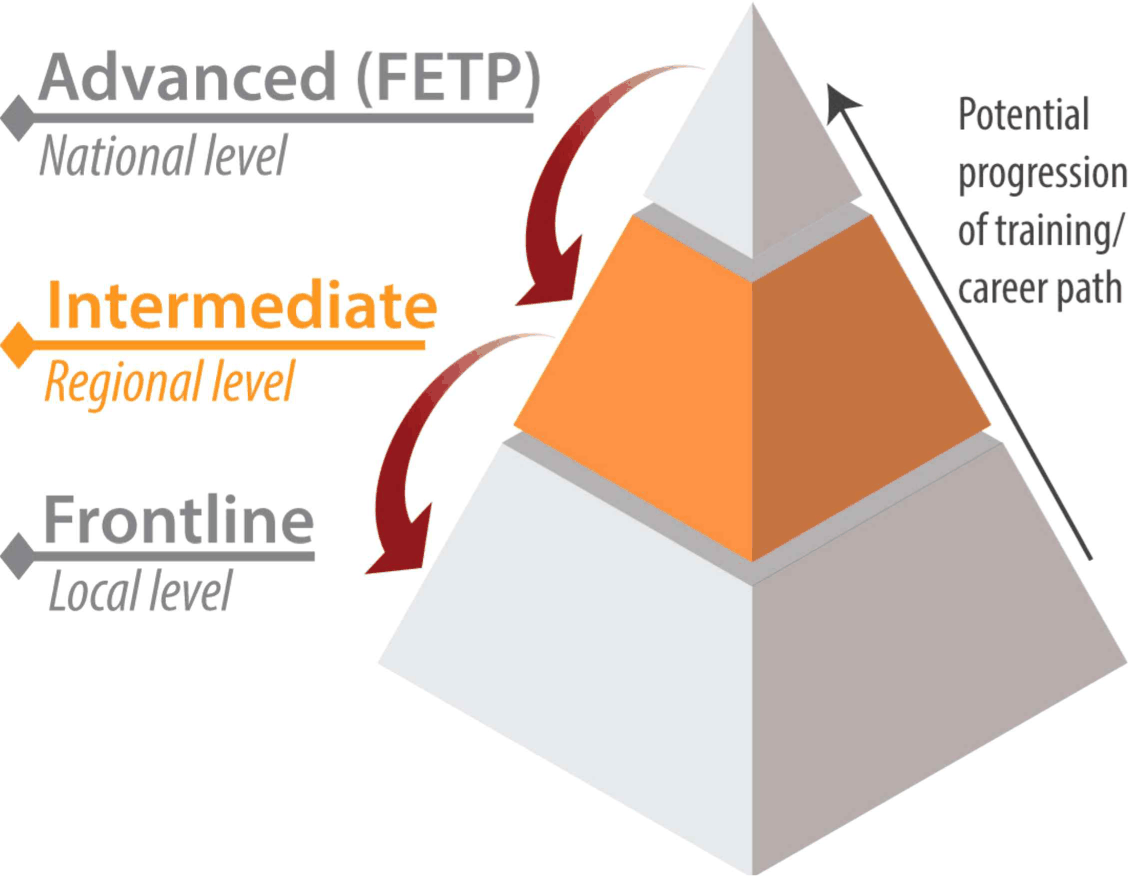
The FETP Advanced, Intermediate, and Frontline address the skills needed by health officials at the national, sub-national (province, state, or regional), and district (frontline) levels, respectively, of the Ministry of Health (MOH) to improve epidemiologic capacity to evaluate and strengthen public health surveillance systems, investigate and control outbreaks, and conduct field studies to address public health priority issues.
Ghana’s decentralized health system, structured across 16 regions and 261 districts, faces significant human resource disparities, with the majority of specialized health professionals concentrated in urban areas, particularly Accra and Kumasi (Alhassan et al., 2016).
Field epidemiologists are trained through the Ghana Field Epidemiology and Laboratory Training Programme (GFELTP) at the School of Public Health, University of Ghana. The need for continuous professional development through in-service workforce capacity improvement programs that are aimed at enhancing knowledge and skills of public healthcare workers led to the development of the GFELTP in 2007. The GFELTP was structured as a collaboration between the MOH/Ghana Health Service, the University of Ghana School of Public Health and the African Field Epidemiology Network and was supported by partners such as the U.S. CDC in direct response to the need for more specialized public health skills in country (Bandoh et al., 2019). Politically, the establishment of the GFELTP is reinforced by the Public Health Act, 2012 (Act 851) which emphasizes the need for more integrated public health approach including disease surveillance and outbreak response (Government of Ghana, 2012).
Through the GFELTP, training is conducted for epidemiologists at the three-tiered levels. There are variations in the level of training and skills among regional and district level healthcare professionals. This created a gap for increased trained public health staff at the regional and district levels to improve the implementation of International Health Regulations (IHR) through improved surveillance capacity and outbreak detection and response across disciplines of study.
In 2018, Korea International Cooperation Agency (KOICA) signed an Memorandum of Understanding (MOU) with the US CDC to support Phase I of the Global Health Security Agenda (GHSA) project. The GHSA Phase I project aimed to support the Government of Ghana toward achievement of the IHR 2005 core capacities, through collaborative funding and technical support from the KOICA (Ghanaian Times, 2024). Ghana identified a number of milestones and activities that are congruent with moving the country towards meeting its commitment to the IHR.
One of the key milestones was to assemble a skilled workforce including physicians, veterinarians, biostatisticians, laboratory scientists, and at least one trained field epidemiologist per 200,000 population, who can systematically cooperate to meet relevant IHR and Performance of Veterinary Services (PVS) core competencies. The training of field Epidemiologists was prioritized as one of the key activities. As the Advanced and Frontline FETP’s levels were already well established in the country, priority was given to the Intermediate level. Additionally, prioritizing intermediate-level training enabled reaching regional-level staff that could continue working on the job, enabling complementary partnerships and the use of domestic resources during field projects.
The GFELTP introduced the FETP-Intermediate programme in Ghana in January 2019 (Kenu et al., 2020). The objectives of the training programme are to improve the skills of sub-national public health workers in data collection, analysis, interpretation, and communication, increase collection and use of public health data for decision-making, improve the quality and use of surveillance data at the sub-national levels of the health system, strengthen capacity to respond to outbreaks and other public health threats and increase the pool of mentors for FETP-Frontline (Ameme et al., 2016; Kenu et al., 2020).
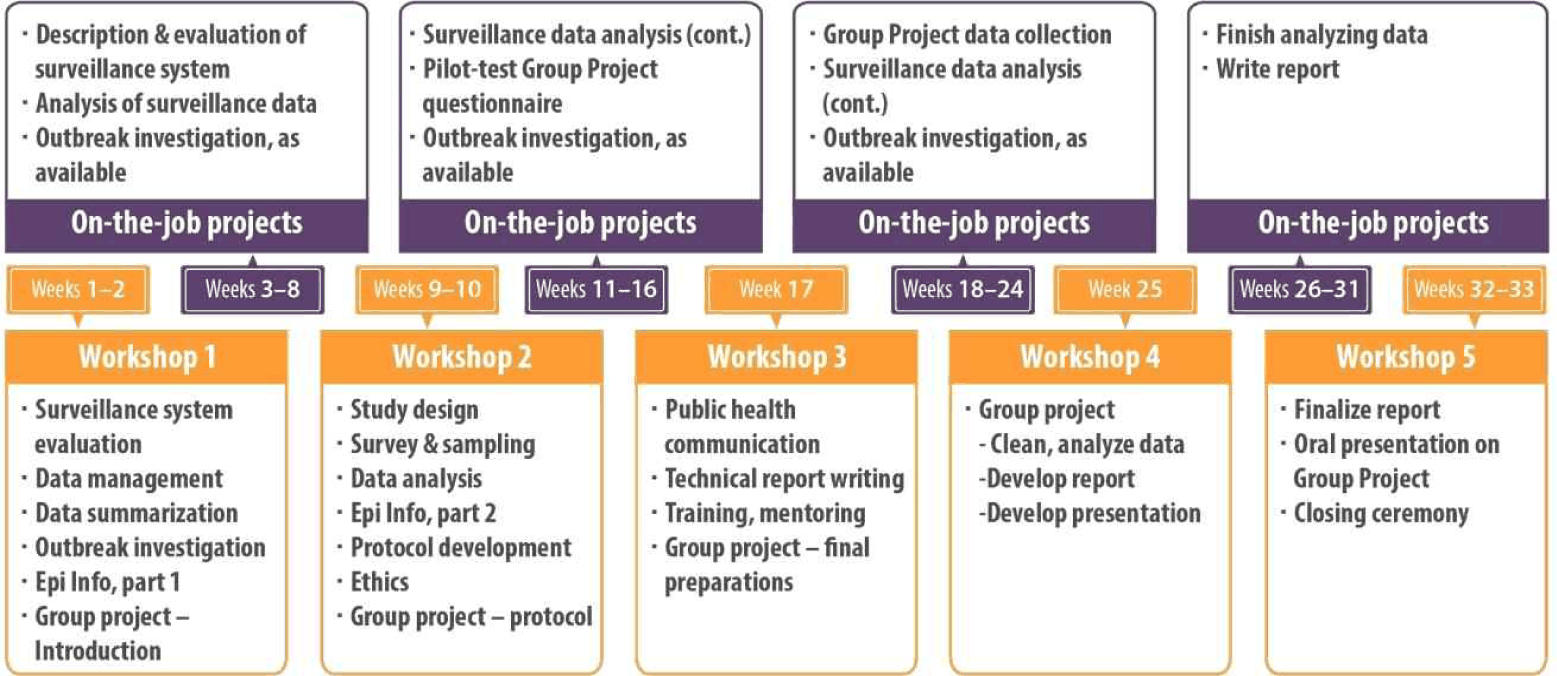
In Ghana, a standard training for one cohort lasts 35–40 weeks and comprising 7–8 weeks of classroom session and up to 33 weeks of field work. Classroom instruction focused on epidemiologic practice rather than theory and used an interactive problem-solving approach, with frequent exercises and case studies to reinforce lecture material. It addressed surveillance interpretation and analysis, outbreak investigation, study design, planning and conducting a survey, data entry and analysis in Epi Info (Epi Info™, version 7.1.5. CDC, Atlanta, GA, USA), public health communication, and training and mentorship. Field placements focused on investigations, projects, and other activities under the mentorship of experienced epidemiologists that supported the mission and priorities of the Ghana FELTP (<Figure 2>).
From 2018 to 2022, the KOICA through the Government of Korea’s ODA support provided a total funding envelope of $7,200,000.00 for implementation of GHSA Phase I across three of the GHSA action packages (Ghanaian Times, 2021). GHSA Phase I support from KOICA led to demonstrable improvements in laboratory (accreditation for labs, introduction of novel technologies); emergency management and response (establishment of a public health emergency operations centre [PHEOCs]) as well as workforce development (Ghanaian Times, 2024).
With 29% of the total GHSA phase I funding envelope ($2,115,000) dedicated to health workforce development, five cohorts of field epidemiologists were trained by the GFELTP using the global FETP-Intermediate training curriculum. As of January 2025, the Ghana FELTP programme has trained eight cohorts, including 136 health professionals from the GHS, Veterinary Services Division, Environmental Health Services Division and Food and Drugs Authority (FDA) across the 16 regions of the country, mainly with support from KOICA. These cohorts were trained from 2019 to 2024, with two cohorts trained concurrently.
To document the outcomes of the successful implementation of the GHSA Phase I training, we highlight achievements of implementation of the FETP-Intermediate capacity building training for the two cohorts trained in 2022.
II. METHODS
This was a pre-post evaluation with multiple data sources. All registered cohort III and IV trainees were followed from the period of training in 2021 to the evaluation data collection in March 2023, 15 months post-training. Data on participation in outbreaks and other activities collected during the evaluation was limited to the first six months post training in 2022. The data review and interviews evaluated the outcomes of the training at levels one to four of the Kirkpatrick model (reaction, learning, behavior and results) using original self-designed questionnaires (Falletta, 1998; Ho et al., 2016). The questionnaire was reviewed by monitoring and evaluation experts and determined to be fit for purpose. Descriptive and analytic quantitative approaches were used for participant appraisal of the training content, pre- and post- training skill assessment, pre- and post- training test scores, and performance of key epidemiologic activities post training. In-depth interviews and document review were used to explore graduates’ experiences regarding application of competencies including local response to outbreaks.
The Kirkpatrick model for evaluating training programmes was adopted for assessing the FETP-Intermediate programme. Developed in 1959 by Donald Kirkpatrick, the model is a well-recognized standard and the most widely used approach for evaluating the effectiveness of training programmes (Bates, 2004). It has proven suitable in training evaluations across a wide range of disciplines 5–10. The model provides a logical and comprehensive framework to evaluate the effectiveness of training at four levels: reaction (level 1), learning (level 2), behaviour (level 3) and results (level 4) (<Figure 3>) (Bates, 2004).
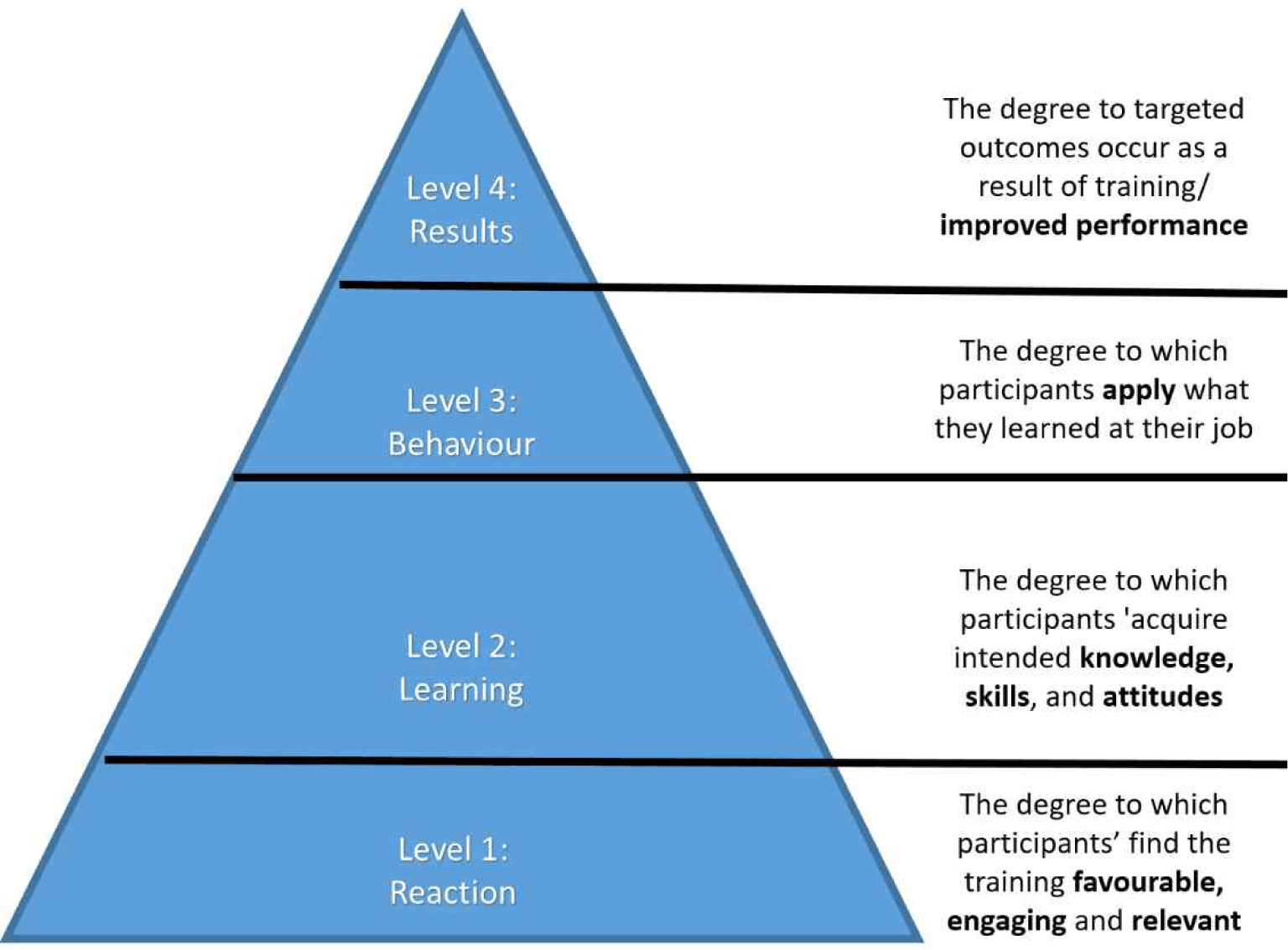
Level 1 (reaction) focuses on trainees’ perceptions of the training programme, assessing the extent to which they found it favorable, engaging, and relevant to their jobs. A positive reaction implies trainees’ satisfaction with the training, which in turn increases the likelihood that trainees would learn and use the skills and knowledge acquired4. Level 2 (learning) measures the degree to which participants acquired the intended knowledge and skills as a result of their participation in the training, and is said to have occurred if the knowledge or skills have improved from their pre-training level 4. Level 3 (behaviour) assesses the degree to which trainees apply what they learned when they returned to their job. Level 4 (results) measures the degree to which the targeted outcomes occur as a result of the training. It measures changes in key performance indicators 4.
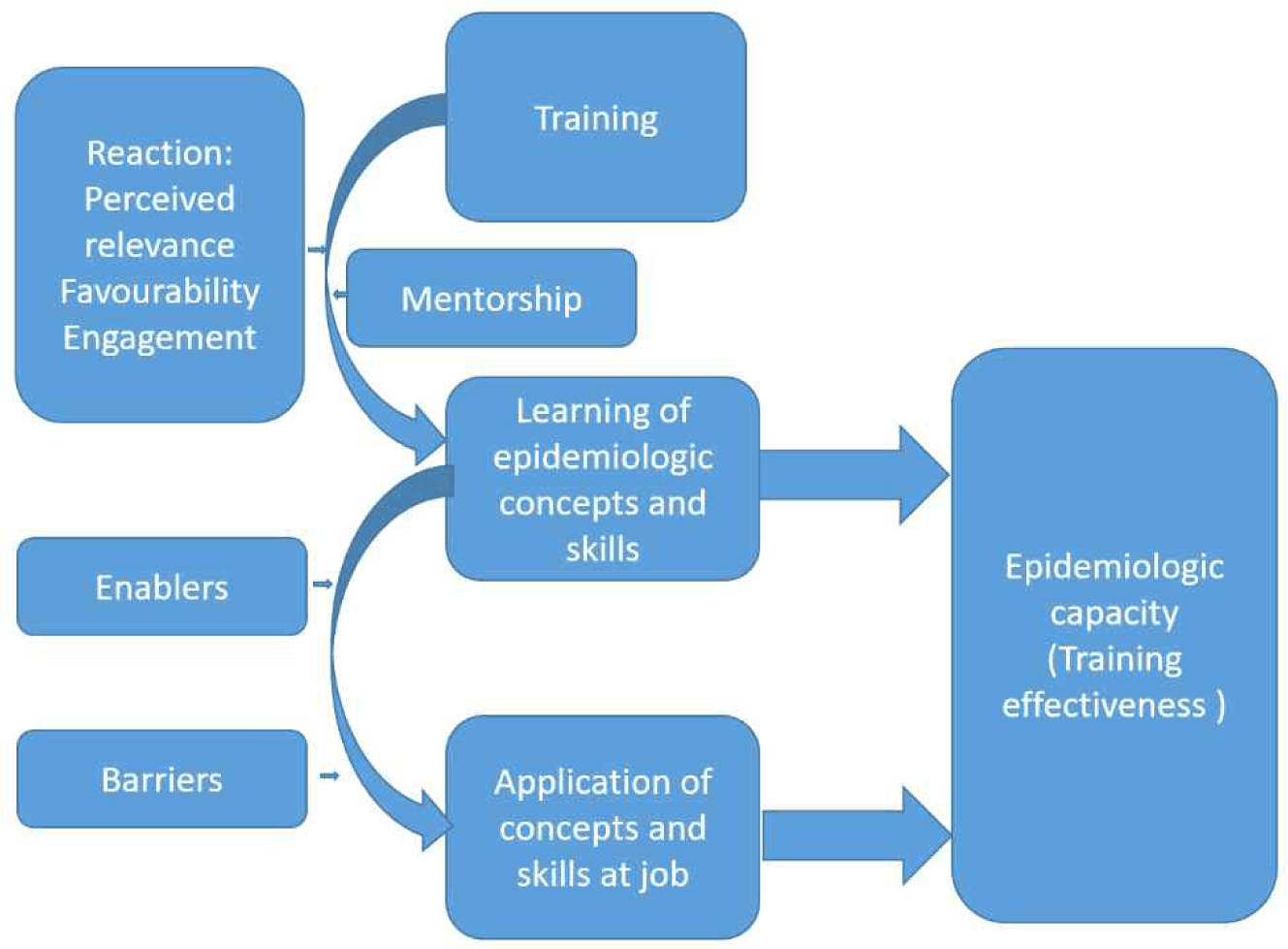
The conceptual framework (<Figure 4>) was developed based on the Kirkpatrick model and the goals of the FETP-Intermediate. Training effectiveness, in alignment with the programme goals and objectives, was defined as improved epidemiologic capacity of participants post training evident by the following: (1) learning of key epidemiologic concepts (2) acquisition or improvement of skills needed to carry out epidemiologic activities and (3) application of concepts and skills at the workplace. It was theorized that the training would lead to learning if the participants had a positive reaction towards the course content. On the contrary, if the participants expressed negative reactions, they would not be motivated to learn. Mentorship, a key component of all FETP training models, was included in the framework because of its anticipated positive effect on learning, especially skills acquisition. Conditions that influence the transfer of learning to application at the workplace include the willingness of trainees to transfer learning to the workplace and the work environment, that is, work-related conditions that provide (enablers) or limit (barriers) opportunities for skill utilization.
This evaluation focused on two of the eight cohorts of FETP-Intermediate graduates of the Ghana FELTP as of November 2025. The selection of these two cohorts was based solely on the availability of follow up and planned evaluation data for these two cohorts. Due to financial constraints, not all graduated cohorts were followed up for a planned evaluation. However, the standard global FETP-Intermediate curriculum adapted for the Ghana was utilized for the training of all eight completed cohorts with no key differences in the competencies gained by trainees. Therefore, findings from these two cohorts evaluated is deemed useful for measurement of the outcomes of the training.
Records of all residents of cohort III (20) and cohort IV (20) were reviewed, and they were all contacted via email and via phone call for their participation.
An electronic questionnaire on competency self-assessment and appraisal of the training was emailed to all invited participants. All graduates in Ghana at the time of evaluation were visited at their workplaces for further assessment (<Table 1>).
Satisfaction and engagement indicators of the participants’ reactions were evaluated using a questionnaire composed of six items, each with a 5-point Likert scale (5: strongly agree, 4: agree, 3: neutral, 2: disagree, 1: strongly disagree). Data was also collected on participants’ perception of relevance of the different modules to their job using a 5-point Likert scale (5: critically relevant – a key developmental objective, 4: very relevant, 3: average or moderate relevance, 2: minimal relevance, 1: no relevance) (<Table 1>). The reaction was thus assessed for the course overall and for each module.
Learning was assessed using differences in pre- and post-test scores, as well as a structured questionnaire on self-reported changes in skills. Pre- and post-tests were administered to the trainees during their workshop training sessions. The questions administered to trainees at the beginning of each workshop covered the modules covered within that workshop and were repeated at the end of the workshop to measure their knowledge gain. The questions were developed as part of the standard FETP-Training package and scored by the facilitators. These scores were obtained from the GFELTP secretariat.
Participants were asked to rate their skills and capacity in key areas of field epidemiology, prior to, and following completion of the programme. The questions covered all the competencies of the programme, based on the course curriculum and included epidemiologic methods, outbreak investigation, surveillance, communication, teaching and mentorship, and use of information, communication and technology. For each question on their skill/ability, they were requested to select a response on a Likert scale (5: outstanding – definitely one of your strengths, 4: above average, 3: average or moderate, 2: minimal ability, 1: no experience or training in this area) (<Table 1>).
Behaviour was evaluated using semi-structured questions on engagement in key areas of field epidemiology during the period following graduation. Participants were requested to provide documents to verify their engagement in outbreak investigations, surveillance summaries, research, teaching practices, and scientific and nonscientific communication (<Table 1>).
Immediate supervisors who could assess the participants before and after the training were also interviewed to collect information on graduates’ performance. In this regard, only supervisors who had worked with the participants pre- and post-training were eligible for interviews (<Table 1>).
Open-ended questions were used to explore participants’ perceptions of the factors that enabled or limited skill utilization in the workplace and opportunities for improvement (<Table 1>).
Data to assess training outcomes were obtained from interviews with senior health officials. Using data from both primary (interviews with senior health officials) and secondary (from outbreak reports) sources, the length of time between outbreak detection and notification and between notification and response was determined for local outbreaks occurring in 2020 (pre-training period) and 2022 (post-training period). This assessment was conducted for each region and for the different agencies, that is, GHS, FDA, Veterinary Services Department (VSD), and Environmental Health Service Department (EHSD), in which the graduates work.
STATA (StataCorp, version 16.0, College Station, TX, USA) and Microsoft Excel 2013 were used for quantitative data analysis. Background data were summarized using means, medians, frequencies, and proportions, as appropriate. Satisfaction, engagement, and relevance indicators related to reactions were presented as frequencies and proportions. To assess learning, pre- and post-test scores for all graduates were compared using a paired t-test with 0.05 as the level of significance. Comparison was further stratified by the agency of graduate. Skill learning was analyzed by computing the pre- and post-median ratings for each assessed competency. The median values ranged from 1 (lowest) to five (highest). Wilcoxon signed rank test was used to assess significant differences between rated pre- and post-training skills.
Regarding Behaviors, quantitative indicators related to skill application were summarized using frequencies and proportions of graduates partaking in assessed competency. Wilcoxon rank-sum test was used to test the relationship between self-ranking of skills and skill application at the workplace.
The evaluation was part of in-service training under the Public Health Act, 2012 (Act 851), so approval from an ethical review board was not necessary. However, permission was obtained from the GHS, FDA, VSD, and Environmental Health Services Department before data collection commenced (sample permission letter as a supporting material). Verbal consent was sought from graduates prior to their enrollment in the evaluation, and confidentiality of the evaluation data was assured. All collected data was de-identified during the report writing process.
III. RESULTS
FETP-Intermediate cohorts III and IV trainings were conducted concurrently from January 2021 to December 2021 following the standard approach for FETPIntermediate training in Ghana. Participants were recruited from the GHS-17, FDA-8, VSD-8, and EHSD-7. Of the 40 residents enrolled using the One Health approach, thirty-eight produced all required outputs, including surveillance system Evaluation, Surveillance Data Analysis, Mentorship, Teaching, abstracts, and group projects, with an overall graduation rate of 95% (38/40) (<Table 2>).
Thirty-five graduates 88% (35/38) participated in the evaluation; 49% (17/35) were from cohort 3 and 51% (18/35) were from cohort 4. The majority (86%, 30/35) were male, with a mean age of 32 (±5) years. Of the 34 participants in Ghana, one had joined a different agency (United States Agency for International Development [USAID]) and 29% (11/34) had different job titles. Eight of the 11 with different job titles had been promoted to a senior role, with four (GHS-2, EHSD-1, VSD-1) attributing their promotion to their participation in the intermediate FETP (<Table 3>).
All respondents were satisfied with the course overall, and 97% (34/35) found it engaging. The majority of respondents were satisfied with the various modules and found them engaging (<Table 4>).
The pre-training and post-training test scores averaged 66% and 81%, respectively, with a statistically significant percentage increase of 15%. Participants from the VSD group had the greatest increase in their test scores (<Table 5>).
All 35 respondents reported an increase in their ability to conduct key field epidemiology activities as a result of the training they received. At least 50% of respondents rated their pre-training ability in epidemiological methods, outbreak investigation and response, teaching and mentorship surveillance, and use of Information & Communication Technology (ICT) tools? as ‘average ability’. The least rated pre-training ability was communication, with a median of ‘minimal ability’ (<Figure 5>). Post-training competencies in surveillance, and training and mentorship were rated ‘outstanding’ by about 60% (21/35) and 51% (18/35) of respondents respectively. The other competencies had median post-training ability rating of ‘above average’ (<Figure 5>).
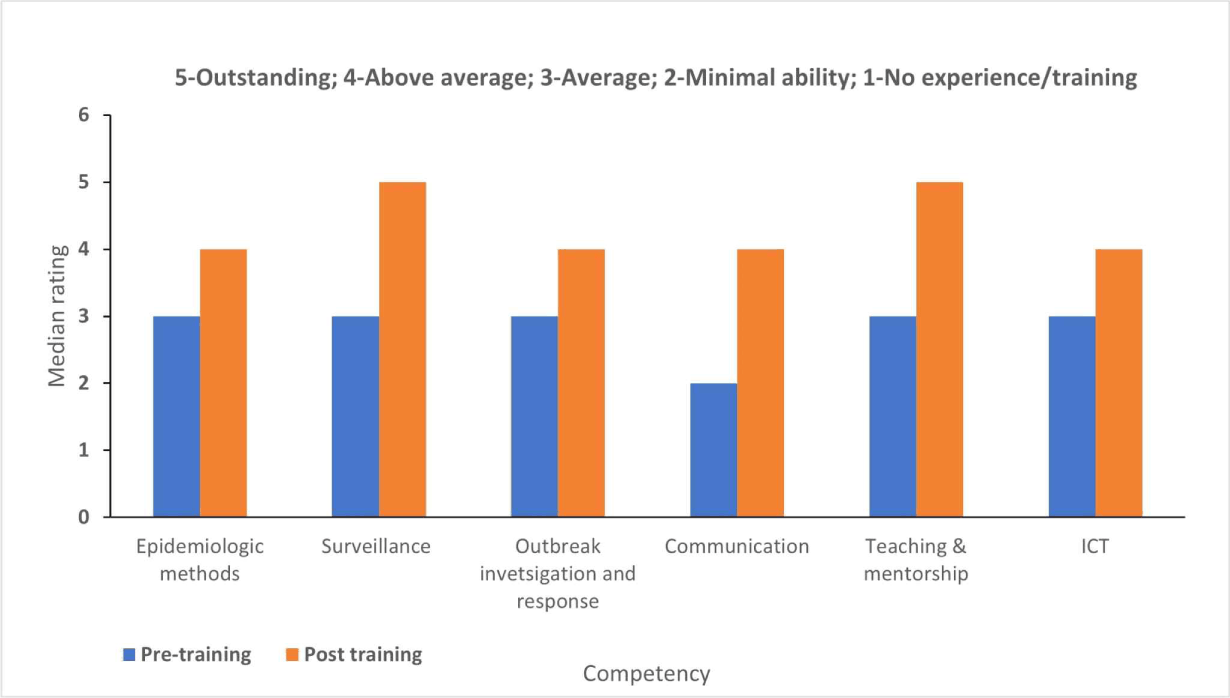
There were statistically significant differences between the pre-training and post-training abilities in all the competency areas: epidemiologic methods (z score=5.2, p-value<0.001), outbreak investigation and response (z score=5.2, p-value<0.001), teaching and mentorship (z score=5.1, p-value<0.001), surveillance (z score=5.1, p-value<0.001), use of ICT (z score=5.1, p-value<0.001), and communication (z score=5.2, p-value<0.001).
About 44% (15/34) reported at least one outbreak in their area from January to June, 2022; 38% (13/34) of respondents participated in the investigation and response of these outbreaks. Outbreaks investigated included avian and human influenza outbreaks, yellow fever outbreaks, circulating vaccine-derived polio outbreaks, Marburg viral disease outbreaks, and food-borne illnesses (<Table 6>). One respondent was involved in a follow up investigation of consumer complaint. Fifty percent (17/34) of participants had prepared surveillance summary reports, 82% (28/34) had prepared PowerPoint presentations or abstracts, and 29% (10/34) had been involved in a research proposal writing or data analysis. About 67% (23/33) mentored other public health professionals; none was involved in GFELTP mentorship programmes. Seventy-four percent (25/34) had been involved in facilitating teaching or training sessions. Half (17/34) were part of rapid response teams (<Table 6>).
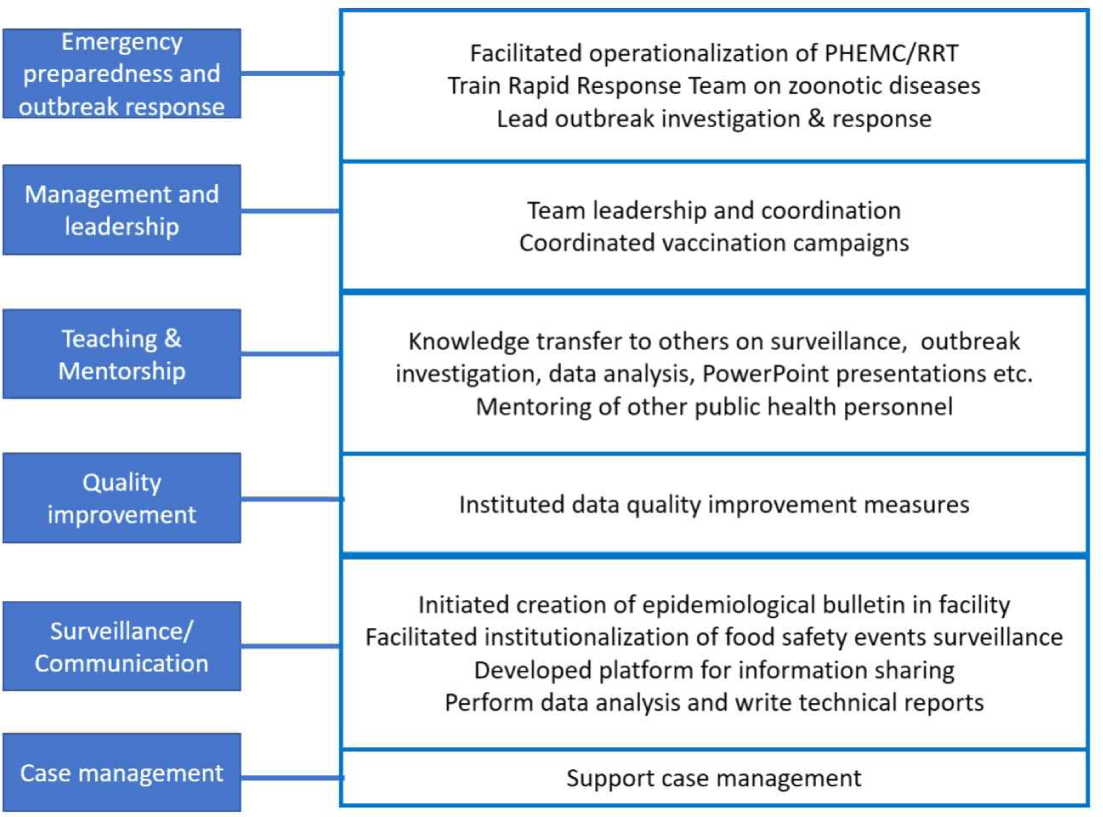
Almost half of participants cited knowledge transfer to colleagues and subordinates as their contribution at their workplace. One graduate facilitated the operationalization and launch of the Public Health Emergency Management Committee (PHEMC), while another facilitated the development of an operational center for food safety response in his unit. Others cited mentorship and the provision of support for data analysis and technical report writing as means of contributing to work teams (<Figure 6>).
Supervisor support (50%, 17/34) was the most cited promoter of skill application or transfer at the workplace. About 29% (10/34) mentioned lack of logistics for field activities as a major barrier to skills application (<Table 7>).
A retrospective review of outbreaks in assessed regions for the period 2020 (pre training) and 2022 (post training) showed that more outbreaks were investigated by teams that included at least one graduate in 2022. In 2020, 23 outbreaks were detected out of which 43% (10/23) were investigated. In 2022, 38 outbreaks were detected with almost all investigated 97% (36/38). The median time from outbreak onset to detection was 2 days (range: 1–30 days) for outbreaks occurring in 2020, and 1 day (range: 1–30 days) for those occurring in 2022. One outbreak each in 2020 and 2021 was detected after seven days of onset. A delay in laboratory confirmation was reported as the reason for late detection. Notifications were sent for all outbreaks within a day of detection. For outbreaks that were investigated, the median time from notification to response was 1 day in both 2020 (range: 1–3) and 2022 (range: 1–4) (<Table 8>).
IV. DISCUSSION
This evaluation of two cohorts of the FETP-Intermediate training in Ghana using ODA support from KOICA under phase I of the GHSA support project demonstrates significant achievements in building epidemiologic capacity at the subnational level in Ghana. All four levels of the Kirkpatrick evaluation framework showed gains, including trainee satisfaction with the training programme, knowledge acquisition, behavioral application of competencies gained, and some short-term organizational impact.
Through the training of these two cohorts, Over thirty-five additional epidemiologists have graduated. The distribution of graduates across multiple regions including underserved regions from the Northern zone of the country – Northern, North East and Savannah addresses the geographic inequity in the distribution of specialized health professionals in Ghana (Alhassan et al., 2016). This aligns with Ghana’s commitment to achieving Universal health coverage through strengthened primary health care systems (Ghana Health Service, 2019). The success of these two cohorts and the FETP-Intermediate training directly contributed to the continuation of ODA funding for Phase II of the GHSA project. With a total funding envelope of $ 10,850,000.00 for Ghana, the University of Ghana, School of Public Health, would train an additional four cohorts of the FETP-Intermediate and FETP-Frontline, conduct leadership and management training for Health Directors, and mentorship training for alumni of the Ghana FELTP. GHSA Phase II is being implemented from 2023 to 2027, building directly on the successes of the first phase of implementation (Ghanaian Times, 2024).
For the first and second levels of the Kirkpatrick evaluation model, findings were positive. The evaluation revealed high trainee satisfaction with the training modalities, with mean satisfaction scores exceeding 4.0 on a 5-point scale for the first level of the Kirkpatrick model. The positive reception is critical to sustained trainee engagement and motivation, especially since the FETP-Intermediate is an in-service training requiring time commitment in addition to maintaining full-time employment responsibilities. Pre-Post knowledge gains (level 2) across all core competency areas—epidemiology, surveillance, outbreak investigation, biostatistics, communication, and ICT—demonstrated effective curriculum delivery and learning retention. The use of standardized pre- and post-training assessments provided objective evidence of skill acquisition, a methodological strength that enhances the credibility of evaluation findings (Bates, 2004). The FETP training utilizes a learning by doing approach that steers away from traditional classroom-based training that may not produce immediate service delivery (Jones et al., 2017). Positive evidence from FETP-Frontline implementations in resource- constrained settings including Liberia and Ethiopia concur that investment in intermediate-level FETP training, when sustained and institutionalized, can yield long-term dividends in surveillance system performance (Amo-Addae et al., 2021; Kebebew et al., 2022).
Our evaluation documented Behaviour change (level 3). Graduates reported applying the skills and competencies learned in their workplace in outbreak investigations, system evaluations, data analysis, and communication. Field supervisors also affirmed that graduates demonstrated improved technical competence and problem-solving skills. This is an encouraging finding demonstrating that the FETP-Intermediate training leads to field application – a key aspect of workforce development (Brownson et al., 2018). However, the extent and sustainability of behavioral application are heavily dependent on organizational support structures, including supervision, mentorship, and enabling work environments. Previous literature on FETP effectiveness consistently emphasizes that post-training mentorship and supportive supervision are essential for translating acquired skills into sustained practice improvements. Evaluations of the Kenya FETP and the Dr. LJW Fellowship program in Low- and Middle-Income Countries, training improved knowledge gain however systemic coordination gaps that cannot be addressed by training alone affected sustainability in workplace practice (Brownson et al., 2018; Kebebew et al., 2022). Cited barriers to skill application at the workplace including provision of logistics, organizational support, structured follow up, strengthened supervisory support at the sub-national level need to be addressed to ensure sustainability of behavior change gains.
The evaluation revealed gaps in measuring longer-term, population-level health outcomes attributable to the training program (level 4). While process indicators including number of investigations and number of reports produced were well-documented, outcome indicators such as reduced outbreak detection duration, case fatality rates, or reduction in disease incidence were not systematically tracked. This limitation is common in FETP evaluations globally and reflects the methodological challenges of attributing population health improvements to specific training interventions amid multiple confounding factors (Frieden, 2014). Future evaluations should consider adopting mixed methods approaches that combine quantitative metrics with qualitative case studies to capture the full spectrum of program impact (Creswell & Plano Clark, 2011).
Overall, KOICA’s support for the FETP-Intermediate training under the GFELTP represents an important example of South-South cooperation and the positive role of emerging donors in global health security. The successes of phase I (2018–2023) and continuation of Phase II (2023–2027) provide an opportunity to consolidate gains made. The evaluation demonstrates that when ODA investments are embedded within national institutions and aligned with government policies (e.g., the Public Health Act 2012, National Health Policy), they are more likely to produce sustainable capacity gains. For longer term success and sustainability, KOICA’s ODA allocation should include sustainability plans, transition milestones and Government financing commitments to ensure continuity beyond the GHSA project timelines (Edwards, 2015).
V. LIMITATIONS
The scores from the pre-post assessments conducted during the training sessions used the same pre-test questions during the posttest assessment. This is prone to memory effect, practice effect and strategic responding where participants focus on what they know they will be tested because they have committed the pre-test questions to memory. To mitigate these effects, questions used were mostly application level. Additionally, answers were not provided to pre-test questions, the order of the post-test questions was rearranged, and additional questions were included during the 6-month post-training evaluation data collection. Future cohorts should consider the use of Item response theory approaches to generate comparable but non-identical assessments. Self-reported changes in competencies by trainees and supervisors were used to estimate the effect of the training on learning. This mode of measurement is subjective; therefore, it is likely that respondents may have underestimated or overestimated their pre- or post-training competencies. The evaluation did not account for the influence of other trainings with similar modules that respondents attended either before or after the FETP-Intermediate training. To counter this participants' responses were validated by collecting same information from relevant documents to reduce recall bias. Future evaluations could include comparison groups of similar health professionals in the same settings as graduates to allow for more rigorous inference and attribution to the FETP-Intermediate training. Although the number of outbreaks detected and managed during the period preceding, and following the training were presented in this evaluation, there is no intention to exclusively attribute the increment to the Intermediate FETP training.
VI. CONCLUSION
With support from KOICA, the two cohorts of FETP-Intermediate training conducted in 2021 were successfully completed with excellent graduation rate. The Intermediate FETP achieved its goal of strengthening the epidemiologic capacity of training participants. The training contents were rated favorably by the participants who also found the modules relevant to their job. The training increased the knowledge of graduates on key epidemiologic concepts as well as their capacity to engage in public health activities related to field epidemiology.
VII. RECOMMENDATIONS
The GFELTP should consider using small-group simulations to assess participants’ abilities in surveillance, outbreak investigation, epidemiological methods, ICT, communication, and teaching at the start and end of the training to permit a more objective assessment of changes in competency levels. Pre- and post-assessments for newer cohorts should consider the memory and practice effects and consider changing the questions for post-assessment. Evaluations conducted for newer cohorts should consider a more structured way to measure Level 4 (results) using the Kirkpatrick model.


